.jpg)
The Psychology Behind the World s Most Dangerous Serial Killers
Understanding the Criminal Mind
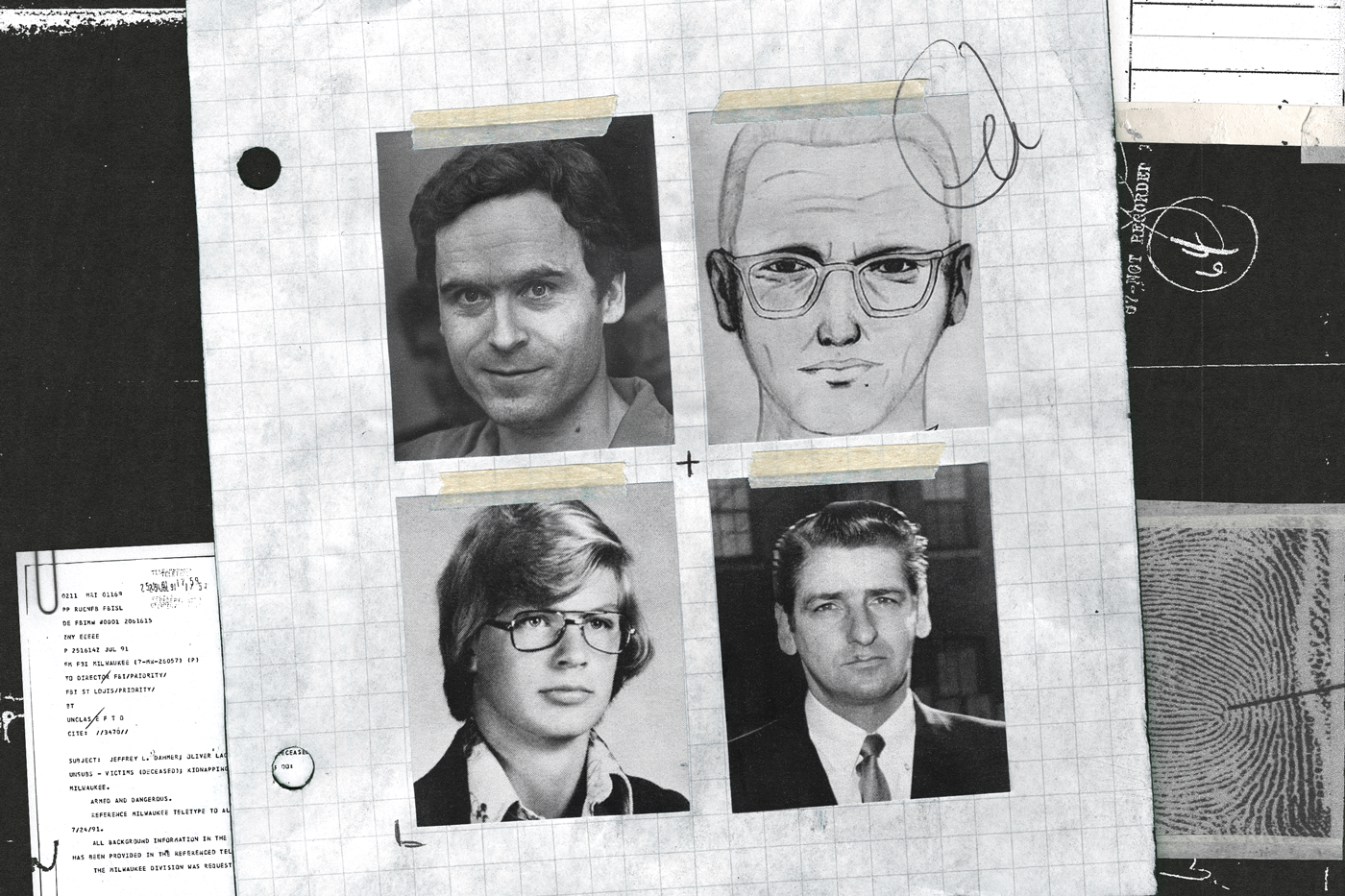
Serial killers have fascinated and terrified society for decades. From infamous figures like Ted Bundy to deeply disturbing cases such as Jeffrey Dahmer, the question remains: what drives someone to become a serial killer?
Understanding the psychology behind these individuals is not about glorifying crime—it’s about uncovering the underlying factors that lead to such extreme behavior.
What Defines a Serial Killer?
A serial killer is typically defined as someone who commits three or more murders over a period of time, often with a psychological motive. Unlike crimes of passion, these acts are usually planned, repetitive, and driven by internal urges.
Key Psychological Traits of Serial Killers
1. Lack of Empathy and Remorse
Most serial killers show a complete absence of empathy. They do not feel guilt or emotional attachment to their victims. This trait is often linked to psychopathy, a personality disorder characterized by manipulation and emotional detachment.
2. Need for Control and Power
Many killers are driven by a deep desire for dominance and control. For example, John Wayne Gacy used manipulation and authority to gain trust before committing his crimes.
3. Childhood Trauma and Abuse
A significant number of serial killers experienced abuse, neglect, or trauma during childhood. These early experiences can distort emotional development and lead to violent tendencies later in life.
4. Fantasy and Escalation
Serial killers often begin with violent fantasies, which gradually escalate into real actions. Over time, the need for stimulation increases, leading to more extreme crimes.
Nature vs. Nurture: Are Killers Born or Made?
One of the biggest debates in criminal psychology is whether serial killers are born or created.
- Biological factors: Brain abnormalities, especially in areas controlling impulse and emotion
- Environmental factors: Abuse, social isolation, and exposure to violence
Experts now believe it is usually a combination of both.
The Role of Forensic Psychology
Modern forensic science has helped experts better understand criminal behavior. Profiling techniques allow investigators to predict patterns and identify suspects based on psychological traits.
Why Society Is Fascinated by Serial Killers
Despite the horror, people are drawn to true crime because it explores:
- The limits of human behavior
- The unknown and unpredictable
- The psychology of evil
This curiosity has fueled the popularity of true crime blogs, documentaries, and podcasts worldwide.
Yorumlar