.jpg)
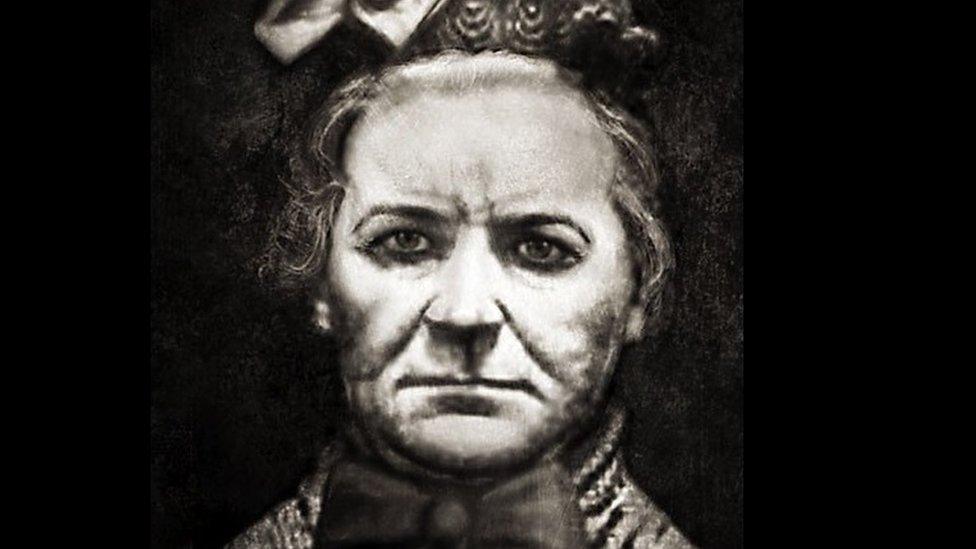
Female Serial Killers You ve Never Heard Of: Hidden Crimes and Untold Stories
When people think of serial killers, the image is often male. However, history reveals a number of female offenders whose crimes are equally disturbing, yet far less publicized. These lesser-known cases provide a deeper understanding of criminal behavior and challenge common stereotypes about violence and gender.
Exploring these hidden stories sheds light on how female serial killers operate, why they often go undetected longer, and what motivates their actions.
Why Female Serial Killers Are Less Recognized
Female serial killers are statistically less common, but they are also less likely to attract widespread media attention. Their methods often differ from male offenders, relying less on overt violence and more on subtle or indirect approaches.
Common reasons they remain under the radar include:
- Use of non-violent methods such as poisoning
- Targeting people within their personal or professional circles
- Crimes spread over long periods, reducing suspicion
- Societal biases that view women as less likely to commit violent acts
These factors contribute to delayed detection and lower visibility in true crime media.
Notable Lesser-Known Cases
Nannie Doss
Known as the “Giggling Granny,” Nannie Doss was responsible for multiple murders, often involving family members. Her crimes were carried out over several years, primarily using poison. Her seemingly friendly personality masked her actions, allowing her to avoid suspicion for a long time.
Dorothea Puente
Dorothea Puente operated a boarding house where she targeted vulnerable individuals. She gained trust by offering care and housing, then exploited her victims for financial gain. Her case highlights how manipulation and authority can be used as tools in criminal behavior.
Aileen Wuornos
One of the more widely known female serial killers, Aileen Wuornos stands out due to the nature of her crimes. Unlike many female offenders, her actions involved direct violence. Her case sparked debate around trauma, mental health, and the role of environment in shaping criminal behavior.
Psychological Patterns Among Female Offenders
Although each case is unique, certain psychological patterns appear more frequently among female serial killers:
- Financial or material motivation
- Desire for control within close relationships
- History of abuse or trauma
- Ability to manipulate trust and emotional bonds
These factors often influence both the method and selection of victims.
Methods and Modus Operandi
Female serial killers are more likely to use methods that do not require physical strength. Poisoning is one of the most common approaches, as it allows the offender to act without immediate confrontation.
Other methods may include:
- Overmedication
- Suffocation
- Neglect in caregiving roles
These approaches often make the crimes harder to detect, especially when victims are already vulnerable.
The Role of Social Perception
Society’s perception of women plays a significant role in how these crimes are understood and investigated. Because women are often viewed as caregivers, suspicion may be delayed or overlooked entirely.
This bias can create opportunities for offenders to continue their actions over extended periods.
Why These Stories Matter
Studying lesser-known female serial killers is important for several reasons:
- It broadens understanding of criminal behavior
- It challenges stereotypes and assumptions
- It improves investigative awareness
- It highlights overlooked victims and cases
Recognizing patterns across all types of offenders helps strengthen crime prevention efforts.
Yorumlar